While CBD can work wonders for relieving chronic pain, anxiety, and many other conditions, the first steps are sometimes fraught with questions. After taking a few drops of CBD oil or applying a CBD-infused topical to the skin, you may find yourself asking the following question:
- How long does it take for CBD to work?
- How long will the effects of CBD oil last?
Clinical research is needed to answer these questions with certainty, but here is the current understanding of how CBD interacts with the body and how long it takes for CBD to take effect.
How does CBD interact with the body?
CBD interacts with the brain and body through a number of different mechanisms, creating a complex relationship that deserves further study to ensure that this cannabinoid is fully understood and could relieve certain ailments.
At the entry point to our body, CBD interacts with a variety of proteins in the body and the central nervous system. A key element of this interaction occurs within the endocannabinoid system (ECS), particularly the cannabinoid receptors CB1 and CB2. Unlike THC, which causes the psychoactive effects of cannabis, CBD has the opposite effect. When cannabidiol is introduced into the ECS, it inhibits the absorption of anandamide, a natural cannabinoid that regulates pain.
CBD also interacts with other receptor proteins that are not directly related to the ECS, such as the serotonin receptor 5-HT1A and the vanilloid receptor TRPV1. The generally perceived anti-inflammatory and analgesic properties of CBD may result from the activation of these additional biological pathways.
The relationship between CBD and the human body is complicated, and it is easier to understand how the cannabinoid moves through the body and how long it takes for CBD to clear from your system. But even this reaction depends on several factors, including the method of consumption, the quality of the CBD product, and who is consuming CBD.
Methods of Consumption
The method of consumption plays an important role in how long it takes to feel the effects of CBD. CBD is available in many different forms and impacts when the action is triggered.
Oral
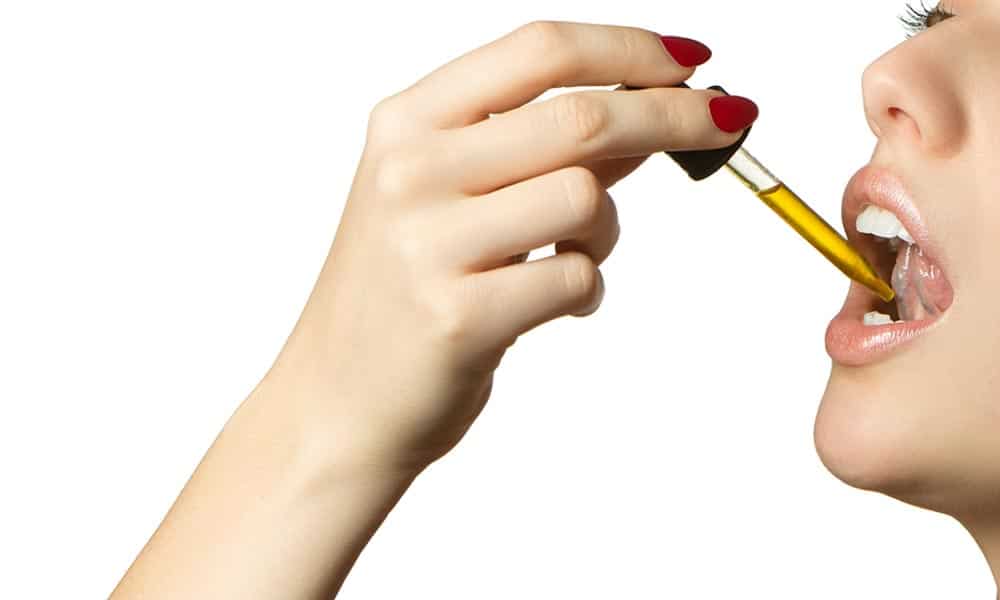
The most common method of consuming CBD is to add a few drops directly to the mouth. This is the fastest and simplest way to enjoy the potential benefits of this cannabinoid. However, quickly swallowing the oil also prevents the immediate absorption of CBD into the bloodstream, instead sending it through the digestive tract and eventually to the liver, where it breaks down before it finally reaches the bloodstream.
Studies show that when CBD compounds are metabolized by the liver, they undergo the so-called “first-pass effect,” in which liver enzymes reduce the concentration of CBD before the rest is ultimately released into the bloodstream to circulate throughout the body.
The same principle applies to the consumption of edible CBD. Suppose you take CBD gummies, for example, or add a few drops of CBD oil to your favorite recipe. It will eventually go through the same lengthy process and reduce the overall concentration of CBD in your bloodstream. In the case of ingestion, it may take one to two hours before the effects of CBD finally manifest.
Sublingual
CBD oil can be consumed sublingually by placing a few drops of CBD under the tongue for 30 seconds to 1 minute before swallowing. With this method, CBD is absorbed through the mucous membranes in the mouth, bypassing the digestive system and liver. Compared to ingestion, this process allows the consumer to skip the initial metabolic process, which breaks down CBD molecules in the liver, allowing it to enter the bloodstream more quickly.
Inhalation
It doesn’t matter if you smoke a CBD-rich strain or take a puff from a CBD vape pen, inhalation is often considered an effective method of administering CBD due to the speed at which it is absorbed by the body. When CBD is smoked or vaporized, the cannabinoids are sent directly into the lungs, where they are quickly absorbed into the bloodstream and circulate throughout the body. It reaches peak concentrations within three minutes of consumption, meaning the effects are noticeable shortly after use.
Topical
Topical CBD is applied directly to the skin and can be absorbed through the skin’s surface to interact with localized cannabinoid receptors. In some cases, CBD-infused products should be applied generously to overcome the low absorption rate of cannabinoids through the skin. When CBD is applied locally, the effect reaches a maximum duration of about 90 minutes. This method of administration is often used for chronic pain in specific areas.
Dosing Factors
How CBD works and clears from the body inevitably depends on several factors that vary from person to person.
Weight
The amount of body fat affects the amount of CBD needed to be effective. A person with a larger body mass requires more CBD to feel the effects. Body weight and mass also affect how long CBD stays in the system. Like THC, CBD is stored in fat cells and is gradually eliminated from the body through urine and feces. Does CBD need to build up in your system to work effectively? No, but it is stored in fat cells and can remain in the body for a long time after the effects of CBD have diminished or disappeared.
Metabolism
An individual’s metabolic rate also has some influence on how long CBD stays in the system. The body’s metabolism determines how long it takes to break down and synthesize compounds, which affects the time needed for the body to process and metabolize the cannabinoid.
Frequency of Use
It’s not just the human body that affects how long it takes for CBD to take effect, but also the quality of the CBD product and its frequency. Once CBD oil is purchased, the next step is to determine the optimal dosing schedule, including the frequency of application. You may have wondered:
- Should I take CBD oil in the morning or at night?
- What is the best time of day to take CBD?
The answers largely depend on the type of product, the amount of CBD it contains, and the specific effects you are targeting. If starting with CBD is often the case, it may even require experimentation to find the optimal dose for your specific needs.
CBD Dosage
Choosing the ideal CBD dosage is important and also affects how long CBD stays in your body.
Even though CBD products do not produce psychoactive effects, it is recommended to start with a lower dose and gradually increase until the desired effects are achieved.
How long does it take for CBD to be eliminated from your body?
We have addressed the factors that determine how long it takes for CBD to work, but how long does it take to eliminate CBD from your system? This also depends on many of the factors mentioned above that determine the effectiveness of the cannabinoid itself.
A 2007 study shows that CBD can be detected for up to 72 hours after consumption. Since the effects of CBD are felt right after inhalation, this method is appealing for those seeking immediate pain relief. In another study, volunteers were given capsules containing cannabis extract with 2.5 milligrams of THC and 1.35 milligrams of CBD. The research team found that CBD was detectable in the blood for up to six hours after ingestion.
Some people may be hesitant to try CBD for fear that it will cause them to fail a drug test. It is very unlikely that CBD will show up in most drug screenings because most tests pay particular attention to the presence of THC metabolites or THC itself. However, even hemp-derived CBD can contain traces of THC, so technically, there is a chance, albeit extremely slim, of getting a false positive test result from taking an abnormally high dose (estimated between 1000 and 2000 milligrams per day) of CBD oil.
For those concerned about THC appearing in their system, look for broad-spectrum oil or products containing pure CBD isolate. Unlike full-spectrum CBD oil, broad-spectrum oil is refined to exclude traces of THC that may have been present in the hemp plant. Products containing CBD isolate contain no THC or other plant cannabinoids.
Tag : Using CBD